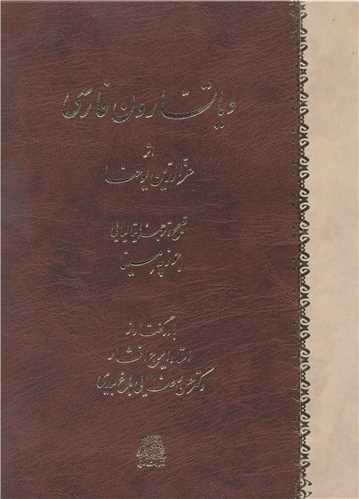


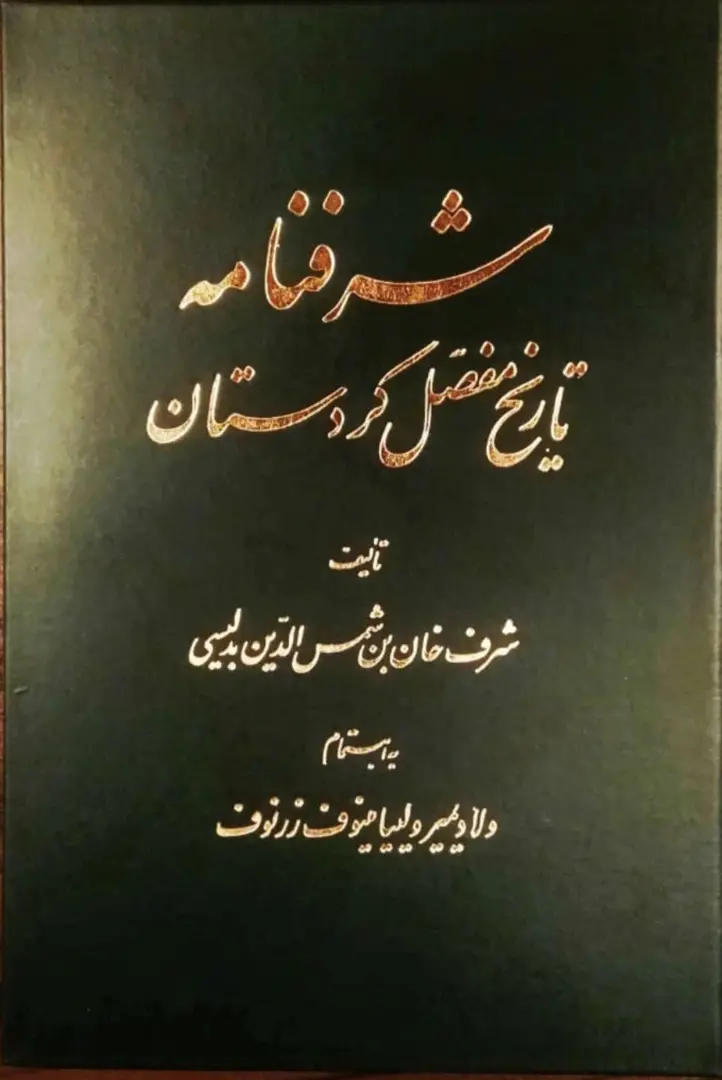
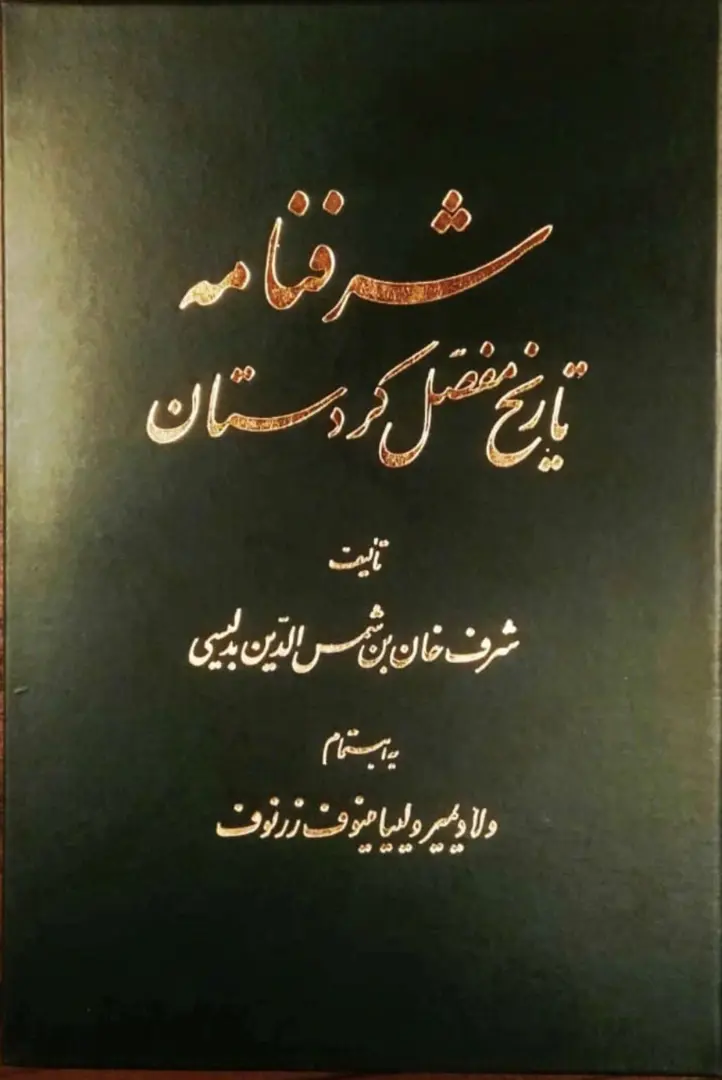
Sharafnāmeh: Tārīkh-e mofassal-e Kordestān Persiska (Farsi) 1998
شرفنامه: تاریخ مفصل کردستان
83,13 $

Dela
Wishlist
Originaltitel:
Scheref -Nameh Ou Histoire des Kourdes
ISBN:
9789651247842
Redaktör:
Vladimir Velyaminov-Zernov
Förlag:
Asatir
Åldersgrupp:
Vuxen
Sidor:
928
Vikt:
1500 g
Produktmått:
18 x 25 x 9
,
9 cm
Bokomslag:
Inbunden
Ämnen:
Sharafnama, or The History of Kurdistan, commonly known as Sharafnama-yi Bidlisi, is the work of Amir Sharaf Khan Bidlisi, written in Persian in 1005 AH (1596–1597 CE). It is regarded as the most authoritative and important classical source on the history of the Kurds and the Kurdish emirates. Its Russian editor, Vladimir Veliaminov-Zernov, states in his introduction that the exceptional value of the Sharafnama lies in its recording of rare and unique details—including customs and traditions, oral historical accounts, and events personally witnessed by the author—since apart from this work, information on Kurdish history is largely scattered and incomplete.
Sharaf Khan Bidlisi, himself the ruler of Bitlis, drew upon Persian, Arabic, and Turkish sources, as well as his own observations and experiences, thereby filling a major gap in the history of the peoples of the region. In addition to political history, the book contains valuable geographical and ethnographic material, which further enhances its scholarly and literary significance.
The Sharafnama is generally organized into four parts: independent Kurdish dynasties, semi-independent emirates, local ruling families and princes, and the history of the Bidlisi family. The work also offers a clear picture of Safavid–Ottoman relations, local power structures, and the position of the Kurds within the Islamic world.
The critical edition prepared by Veliaminov-Zernov, based on reliable manuscripts and accompanied by a scholarly introduction and annotations, introduced the Sharafnama to the European academic community as a primary source and laid the foundation for many subsequent studies on Kurdistan. Today, the Sharafnama remains a central reference for the study of Kurdish history in the late medieval period and a key work in Iranian and Middle Eastern studies.
more
شرفنامه یا تاریخ کردستان، مشهور به شرفنامهٔ بدلیسی، اثر امیر شرفخان بدلیسی است که در سال 1005 هجری قمری (1596–1597 میلادی) به زبان فارسی نوشته شد. این کتاب معتبرترین و مهمترین منبع کلاسیک درباره تاریخ کردها و امارتهای کردی بهشمار میآید. مصحح روس آن، ولادیمیر ولیامینوف–زرنوف، در مقدمه خود تصریح میکند که شرفنامه به دلیل ثبت جزییاتی کمنظیر—از جمله آداب و رسوم، روایتهای شفاهی و وقایعی که مولف خود شاهد آنها بوده—ارزشی استثنایی دارد؛ چرا که جز این اثر، اطلاعات موجود درباره تاریخ کردها عمدتاً پراکنده و ناتماماند.
شرفخان بدلیسی که خود امیر بدلیس بود، با اتکا به منابع فارسی، عربی و ترکی، و نیز مشاهدات و تجربههای شخصی، خلأ بزرگی را در تاریخ ملتهای منطقه پر کرده است. افزون بر تاریخ سیاسی، کتاب شامل دادههای ارزشمند جغرافیایی و قومشناسی است که بر اهمیت علمی و ادبی آن میافزاید.
شرفنامه معمولاً در چهار بخش تنظیم شده است: حکومتهای مستقل کردی، امارتهای نیمهمستقل، خاندانها و امیران محلی، و تاریخ خاندان بدلیسی. این اثر همچنین تصویری روشن از مناسبات صفوی–عثمانی، ساختار قدرت محلی و جایگاه کردها در جهان اسلام ارایه میدهد.
تصحیح انتقادی ولیامینوف–زرنوف، که بر پایه نسخههای خطی معتبر و با مقدمه و توضیحات علمی انجام شد، شرفنامه را بهعنوان منبعی درجهاول به جامعه علمی اروپا معرفی کرد و مبنای بسیاری از پژوهشهای بعدی درباره کردستان قرار گرفت. امروز شرفنامه همچنان مرجع اصلی برای مطالعه تاریخ کردها در دورههای میانه متأخر و اثری کلیدی در ایرانشناسی و مطالعات خاورمیانه بهشمار میرود.
more