

56 Darajah Persiska (Farsi) 2025
56 درجه
18,94 $

Dela
Wishlist
Originaltitel:
56 درجه
ISBN:
9781997503163
Förlag:
Asemana Books
Åldersgrupp:
Vuxen
Sidor:
130
Vikt:
186 g
Produktmått:
14 x 21 x 1
,
1 cm
Bokomslag:
Pocketbok

Diaspora
One Hundred and Thirty Years After the 1979 Revolution, Iran is scorched under the 56-degree heat of the desert, ravaged by global warming, desertification, and water tensions. The narrator and Homa, a curious couple from Berkeley, step into this devastated land in search of lost cultural roots. From the dreamlike Esfahan to Ashtian, a utopia full of flaws, they are confronted with fundamental questions: What is identity? What does mourning mean? What is the value of life? Could the mythical stream of the Zagros mountains offer a glimmer of hope for life’s rebirth?
The novel “56 Degrees” by Hossein Noosh-Azar, published by Asemana, is a dystopian work set in a near future in which Iran has been transformed into a devastated land with temperatures reaching 56 degrees Celsius due to global warming, desertification, and a severe water crisis.
In this futuristic world, the narrator and Homa, a curious couple from Berkeley, travel to Iran in search of their lost cultural roots. They enter a country where places such as the imagined Spadana and Ashtian, a utopia filled with contradictions, simultaneously evoke the grandeur of the past and the collapse of the present. This journey is not merely a geographical exploration, but also a quest for answers to questions about identity, grief, the meaning of life, and the possibility of renewal in a fragmented world.
In this novel, Hossein Noosh-Azar combines elements of science fiction, mythology, and realism to create a warning image of a future in which environmental destruction and the collapse of civilization are direct consequences of humanity’s relationship with nature. Through poetic descriptions of the desert blended with the harsh realities of a dystopian world, the author creates an atmosphere suspended between beauty and devastation.
One of the central themes of the novel is the reconsideration of the concept of utopia. 56 Degrees suggests that even systems created with the promise of saving humanity may ultimately lead to restrictions on individual identity and freedom. The characters’ journey through future Iran becomes a metaphor for the search for memory and identity, a past that may no longer be possible to recover.
Noosh-Azar has stated that he began writing part of the first chapter in 2016 and completed the main body of the novel nine years later within five days. For this reason, he describes the book as a story “written not in nine years and five days, but in five days and nine years.”
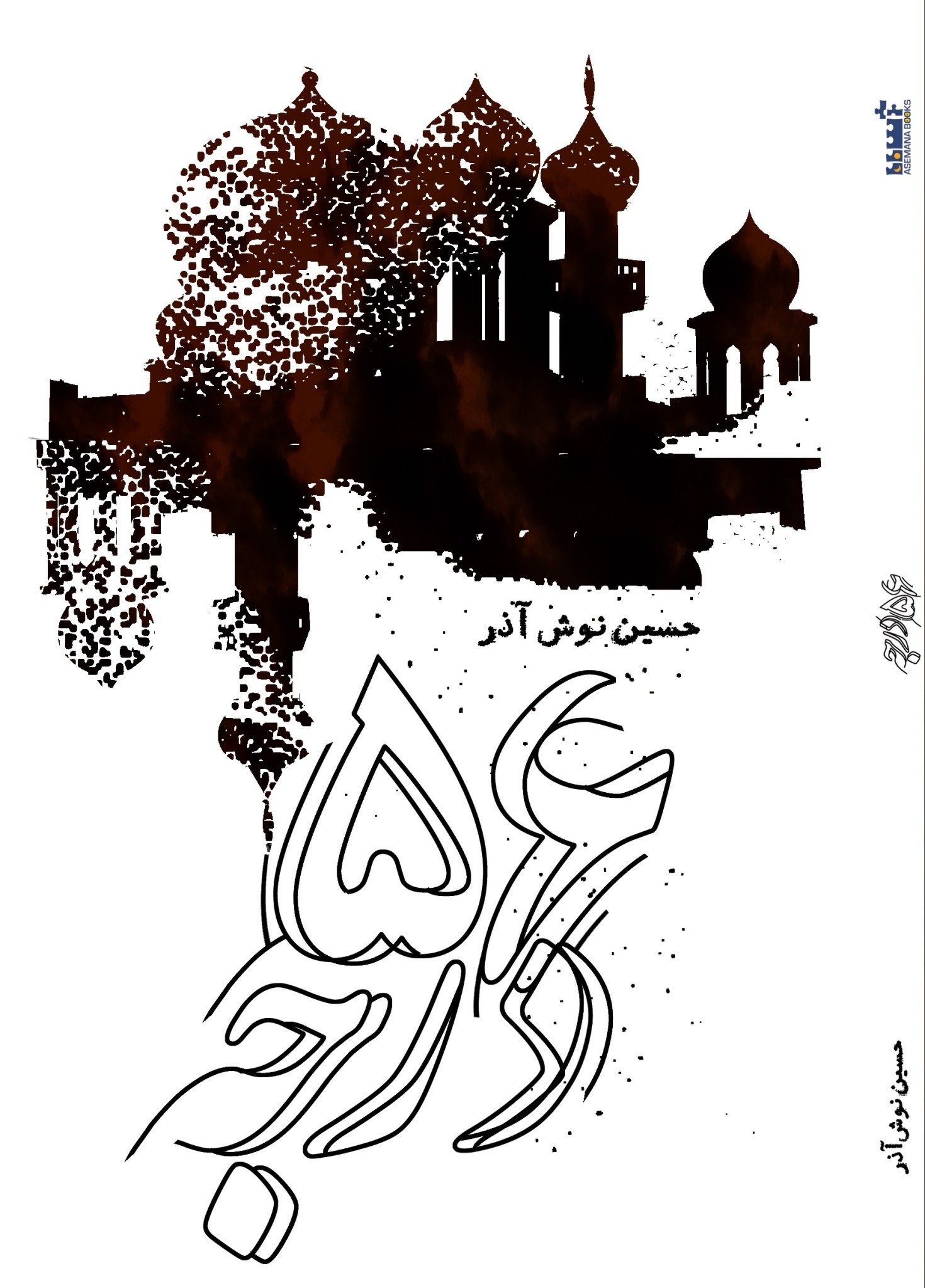
“56 Degrees” is a novel about the future of the Earth, environmental crisis, cultural memory, and human responsibility toward its own destiny. Through an imaginary journey into a future Iran, the novel raises fundamental questions about identity, hope, and the possibility of continuing life in an unstable world. The cover design of the book was created by Saleh Tasbihi, a renowned Iranian artist.
more
یکصد و سی سال پس از انقلاب 57، ایران در اثر گرمایش زمین و بیابانزایی و تنشهای آبی، در گرمای 56 درجهای کویر میسوزد. راوی و هما، زوجی کنجکاو از برکلی، در جستوجوی ریشههای گمشدهی فرهنگی، به سرزمینی ویران قدم میگذارند. از اسپادانای خیالانگیز تا آشتیان، آرمانشهری پر از خطا، آنها با پرسشهای بنیادین روبهرو میشوند: هویت چیست؟ سوگ چه معنایی دارد؟ زندگی چه ارزشی؟ آیا جویبار افسانهای زاگرس، امیدی برای زایش دوباره زندگی خواهد بود؟
رمان «56 درجه» نوشته حسین نوشآذر، اثری دیستوپیایی (ویرانشهری) است که توسط نشر آسمانا منتشر شده است. داستان این رمان در آیندهای نزدیک و در سرزمینی شکل میگیرد که بر اثر گرمایش زمین، بیابانزایی و بحران منابع آب، به ایرانی ویرانشده با دمای 56 درجه تبدیل شده است.
در این جهان آیندهنگر، راوی و هما، زوجی کنجکاو از برکلی، برای یافتن ریشههای گمشده فرهنگی خود به ایران سفر میکنند؛ سرزمینی که بخشهایی از آن مانند اسپادانای خیالانگیز و آشتیان، آرمانشهری پر از تناقض، همزمان یادآور شکوه گذشته و فروپاشی حال هستند. این سفر، تنها جستوجویی جغرافیایی نیست، بلکه تلاشی برای یافتن پاسخ پرسشهایی درباره هویت، سوگ، معنای زندگی و امکان باززایی در جهانی ازهمگسیخته است.
حسین نوشآذر در این رمان با ترکیب عناصر علمیتخیلی، اسطورهای و واقعگرایانه، تصویری هشداردهنده از آیندهای ارایه میدهد که در آن تخریب محیطزیست و فروپاشی تمدن، پیامدهای مستقیم رفتار انسان با طبیعت است. نویسنده با بهرهگیری از توصیفهای شاعرانه از کویر و درآمیختن آن با واقعیتهای خشن یک جهان دیستوپیایی، فضایی میان زیبایی و ویرانی خلق میکند.
یکی از محورهای اصلی رمان، بازاندیشی مفهوم آرمانشهر است. «56 درجه» نشان میدهد که حتی نظامهایی که با وعده نجات بشر شکل میگیرند، ممکن است در نهایت به محدود کردن فردیت و آزادی انسان منجر شوند. سفر شخصیتها به ایران آینده، استعارهای از جستوجوی خاطره و هویتی است که شاید دیگر امکان بازگشت به آن وجود نداشته باشد.
نوشآذر درباره روند نگارش کتاب اشاره کرده است که بخشی از فصل نخست را در سال 2016 نوشته و پس از نه سال، بخش اصلی رمان را در مدت پنج روز به پایان رسانده است؛ از همین رو معتقد است این داستان «نه در 9 سال و پنج روز، که در پنج روز و 9 سال نوشته شده است».
«56 درجه» روایتی درباره آینده زمین، بحران زیستمحیطی، حافظه فرهنگی و مسیولیت انسان در برابر سرنوشت خویش است؛ رمانی که از خلال یک سفر خیالی به ایران آینده، پرسشهایی بنیادین درباره هویت، امید و امکان ادامه زندگی در جهانی ناپایدار مطرح میکند. طراحی جلد این کتاب را صالح تسبیحی، هنرمند شناختهشده، بر عهده داشته است.
more