

Darnā-yi Sībirī Persiska (Farsi) 2024
درنای سیبری
20,00 $

Dela
Wishlist
Originaltitel:
درنای سیبری
ISBN:
9781777886080
Förlag:
Asemana Books
Åldersgrupp:
Vuxen
Sidor:
58
Vikt:
92 g
Produktmått:
15 x 23 x 0
,
6 cm
Bokomslag:
Pocketbok

Diaspora
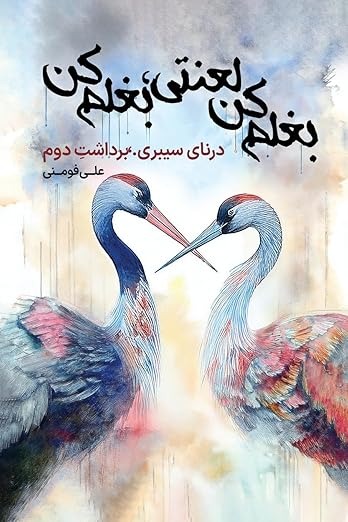
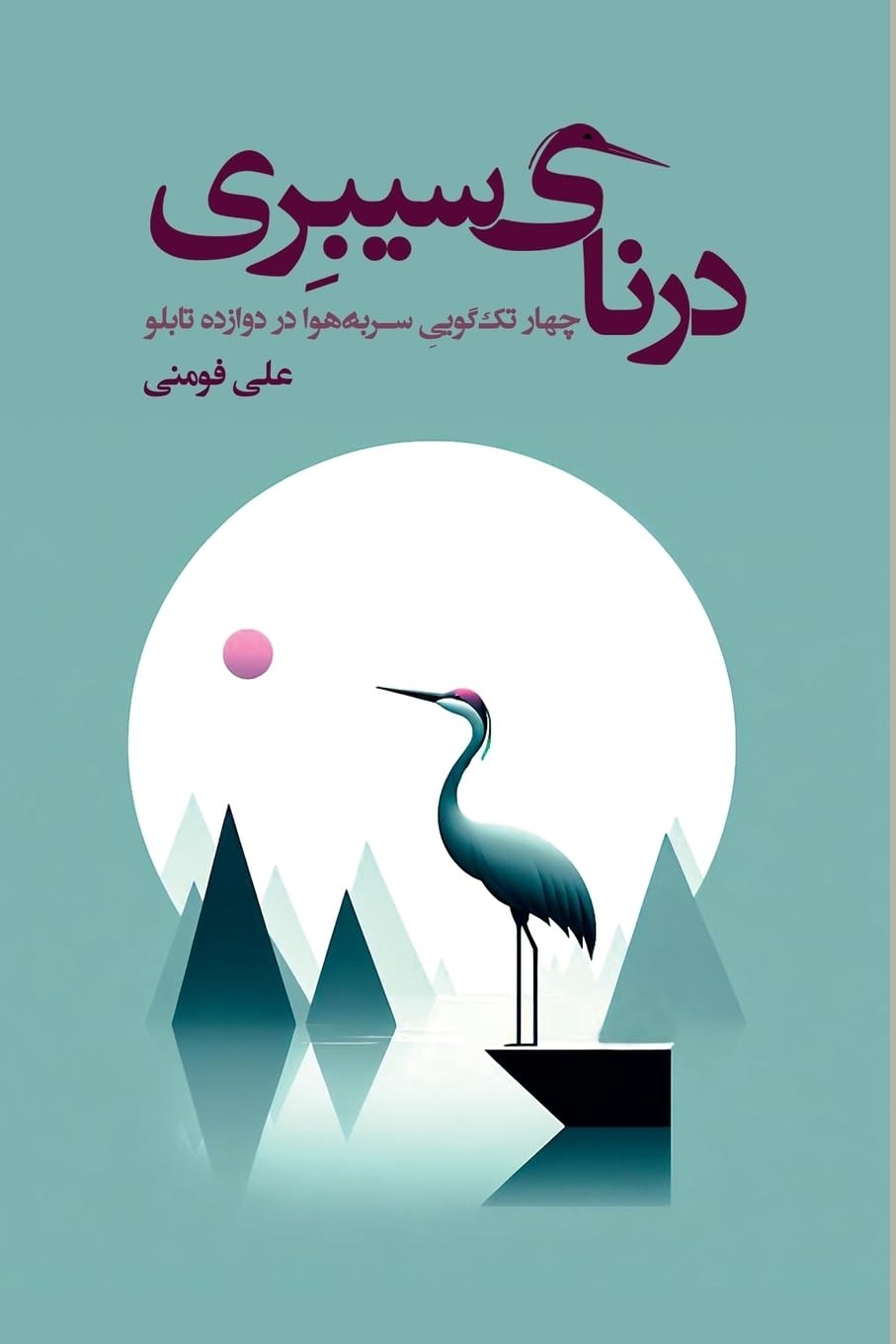
The play "Siberian Crane; Four Whimsical Monologues in Twelve Scenes" by Ali Fomeni, published by Asemana in Toronto, Canada, is an experimental and poetic work that intertwines four monologues across twelve scenes, exploring the boundary between monologue and dialogue. Each monologue offers a window into the psychology and experiences of the characters, confronting the audience with themes of loneliness, exile, and hope. The Siberian crane itself, the play’s central symbol, represents solitude, exile, and optimism.
The narrative structure is nonlinear and experimental; stories and monologues are poetically interwoven to reflect life on the margins of geography, history, and psyche. The central character, "Omid" (Hope), the last of the western Siberian cranes, endures fifteen years of solitude following the death of its mate. This symbolic journey serves as a meditation on memory, reflection, and human connection. The narrative engages the audience in questions of return, recollection, and human liberation.
Ali Fomeni (born 1978) is a poet, author, and theater director with extensive experience in literature and stage performance. His work draws on his experiences in Iran, Canada, and the United States. In addition to writing and directing, he has been active in teaching literature, social sciences, and performing arts. Fomeni’s plays had not previously been published in Iran. His works consistently focus on human experience, marginality, memory, and irreversibility, and in Siberian Crane, he elevates these concerns to a high artistic and experimental level.
This work is both an elegy for a rare bird and a meditation on memory and human connection. Through its poetic language and innovative structure, it offers readers a unique experience of contemporary theater and multilayered storytelling. Siberian Crane is an exceptional and thought-provoking work for those interested in experimental theater, contemporary literature, and symbolic-poetic narratives.
more
نمایشنامه «درنای سیبری؛ چهار تکگویی سربههوا در دوازده تابلو» نوشته علی فومنی، منتشر شده توسط انتشارات آسمانا در تورنتو کانادا، اثری تجربی و شاعرانه است که با ترکیب چهار تکگویی در دوازده تابلو، تلاش میکند مرز بین مونولوگ و دیالوگ را کاوش کند. هر تکگویی، دریچهای به روان و تجربه شخصیتها میگشاید و مخاطب را با تنهایی، تبعید و امید مواجه میکند. نماد اصلی اثر، «درنای سیبری» است، پرندهای در آستانهٔ انقراض که در متن نمایشنامه به تجسم تنهایی، تبعید و امید بدل میشود.
ساختار روایت، غیرخطی و تجربی است؛ داستانها و تکگوییها به شیوهای شاعرانه با یکدیگر تنیده شدهاند و تجربه زیستن در حاشیهٔ جغرافیا، تاریخ و روان را بازنمایی میکنند. «امید»، شخصیت محوری، بازماندهٔ جمعیت غربی درناهای سیبری است که پس از مرگ جفتش، پانزده سال تنهایی را تجربه میکند و این سفر نمادین، بازگشتی به معنای خاطره و تأمل بر پیوندهای انسانی است. روایت به شکلی طراحی شده که مخاطب درگیر پرسشهای بازگشت، خاطره و رهایی انسانی میشود.
علی فومنی (متولد 1357) شاعر، نویسنده و کارگردان تیاتر، با سابقهای طولانی در ادبیات و اجراهای صحنهای، تجربیات خود در ایران، کانادا و ایالات متحده را در این اثر بازتاب داده است. او علاوه بر نویسندگی و کارگردانی، در آموزش ادبیات، علوم اجتماعی و هنرهای نمایشی فعال است و نمایشنامههایش پیش از این اجازه انتشار در ایران را نیافتهاند. فومنی در آثار خود همواره به روایت تجربیات انسانی، حاشیهنشینی، حافظه و بازگشتناپذیری توجه داشته و در «درنای سیبری» این نگاه را به بالاترین سطح هنری و تجربی رسانده است.
این اثر، هم سوگوارهای برای پرندهای نایاب و هم تأملی بر حافظه و پیوند انسانی است، که با زبان شاعرانه و ساختاری نوآورانه، خواننده را به تجربهای متفاوت از نمایشنامه معاصر و داستانگویی چندلایه دعوت میکند. «درنای سیبری» برای علاقهمندان به تیاتر تجربی، ادبیات معاصر و روایتهای شاعرانه-نمادین، اثری بینظیر و قابل تامل به شمار میرود.
more