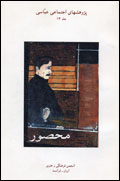


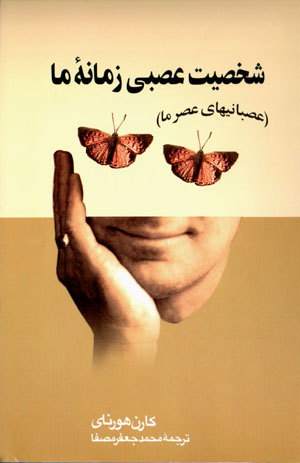
Shakhsīyat-i ʻasabī-yi zamānah-yi mā: ‘Asabānī-hā-yi ‘aṣr-i mā Persiska (Farsi) 2007
شخصیت عصبی زمانه ما: عصبانی های عصر ما
25,09 $

Dela
Wishlist
Originaltitel:
The neurotic personality of our time
ISBN:
9789646671478
Översättare:
Muḥammad-Ja‘far Muṣaffā
,
Muḥammad Jaʻfar Muṣaffā
Förlag:
Bihjat
Åldersgrupp:
Vuxen
Sidor:
316
Vikt:
380 g
Produktmått:
14 x 21 x 2
,
21 cm
Bokomslag:
Pocketbok
The book The Neurotic Personality of Our Time, written by Karen Horney, the distinguished German psychoanalyst, is a foundational work in the psychology of modern humanity, first published in 1937.
In this book, Horney offers a fresh and critical perspective on Freudian psychoanalysis, exploring the cultural and social roots of neurosis. She demonstrates that the anxieties and inner conflicts of modern individuals arise less from repressed instincts and more from the pressures of modern social and cultural life.
Horney discusses concepts such as the excessive need for affection and approval, guilt, dependency, competitiveness, and the desire for power and respect, arguing that these traits are psychological responses to a culture that emphasizes competition, personal success, and social anxiety.
She further explains how parenting styles and cultural values shape distinct neurotic personality types within each society. For instance, in cultures that encourage domineering or self-sacrificing mothers, these patterns become internalized and later influence the emotional and social relationships of the next generation.
Overall, The Neurotic Personality of Our Time serves as a bridge between psychoanalysis and sociology, helping readers understand how cultural structures shape—and sometimes distort—the character and psyche of modern human beings.
more
کتاب عصبانی های عصر ما، اثری نوشته ی کارن هورنای است که اولین بار در سال 1937 منتشر شد. دکتر هورنای در این کتاب، به کاوش در ساختار پایه ای اختلالات عصبی با توجه به بافت فرهنگی مربوط به آن ها می پردازد. موضوعاتی همچون نیاز وسواس گونه به محبت، احساس گناه و تلاش برای رسیدن به قدرت و احترام در این اثر مورد بحث قرار می گیرند. هورنای بیان می کند مشکلاتی که در افراد دارای اختلالات عصبی در فرهنگی مشخص به چشم می خورند، در واقع با ویژگی های زندگی در آن فرهنگ، کاملا همخوانی دارند. او به عنوان مثال بیان می کند تنها در شرایط فرهنگی مشخصی است که می توانیم مادران سلطه جو یا ایثارگر را پیدا کنیم و تنها به خاطر همین شرایط است که چنین تجاربی، در ادامه ی زندگی فرد تأثیرگذار هستند.
more