

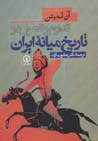
Tadavum va tahavvul dar tarikh-i miyanih-yi iran Persiska (Farsi) 2003
تداوم و تحول در تاریخ میانه ایران
33,32 $

Dela
Wishlist
The book Continuity and Change in Medieval Iran by Ann Lambton examines how the forces of continuity and change operated simultaneously in post-Islamic Iran, particularly during the periods of the Great Seljuqs, the Khwarazmshahs, and the Ilkhanids. Lambton shows that although military invasions and political upheavals repeatedly disrupted ruling powers, a strong and persistent continuity existed in the administrative, bureaucratic, legal, and economic spheres, which helped bridge these political ruptures. This continuity was embodied above all in the Iranian bureaucratic class (the “men of the pen”), who preserved pre-Islamic traditions of governance and successfully integrated Turkic and Mongol conquerors (the “men of the sword”) into Iran’s administrative system. In contrast, change emerged through the arrival of these nomadic ruling groups and through new institutions such as the iqṭāʿ (land-revenue assignment) system, which transformed landholding patterns, redefined relations between the state and the peasantry, and weakened central authority. Lambton argues that continuity and change should not be seen as absolute opposites, but rather as intertwined and coexisting processes. Rather than offering a narrative history of dynasties and wars, the book provides a structural analysis of social and governmental institutions. Drawing on primary sources and administrative documents, Lambton devotes ten chapters to topics such as the vizierate, legal and fiscal systems, agriculture and irrigation, and social organization. She demonstrates how Iranian institutions continually adapted and evolved through the interaction between long-standing bureaucratic traditions and the military needs of new ruling elites.
more
کتاب «تداوم و تحول در تاریخ میانه ایران» اثر آن لمبتن به بررسی این مسیله میپردازد که چگونه در ایران پس از اسلام، بهویژه در دورههای سلجوقیان، خوارزمشاهیان و ایلخانان، عناصر «تداوم» و «تحول» بهطور همزمان عمل کردهاند. لمبتن نشان میدهد که اگرچه تهاجمات نظامی و دگرگونیهای سیاسی موجب گسست در حاکمیت میشد، اما در حوزههای اداری، دیوانی، حقوقی و اقتصادی نوعی تداوم پایدار وجود داشت که این گسستها را جبران میکرد. این تداوم عمدتاً در طبقه دیوانسالار ایرانی (اهل قلم) متجلی بود که سنتهای کشورداری پیشااسلامی را حفظ کرده و فاتحان ترک و مغول (اهل شمشیر) را در ساختار اداری ایران جذب کردند. در برابر این تداوم، تحول با ورود اقوام مهاجم و نظامهای جدیدی مانند قطاع رخ داد که ساختار مالکیت زمین، رابطه دولت و رعیت و قدرت حکومت مرکزی را دگرگون کرد. لمبتن تأکید میکند که تداوم و تحول نه متضاد مطلق، بلکه درهمتنیده و همزمان بودهاند. این کتاب بیش از آنکه تاریخ روایی شاهان و جنگها باشد، تحلیلی ساختاری از نهادهای جامعه و حکومت است. لمبتن با تکیه بر منابع اولیه و اسناد اداری، در 10 فصل به موضوعاتی چون وزارت، نظام حقوقی، مالیات، کشاورزی و سازمان اجتماعی میپردازد و نشان میدهد که نهادهای ایرانی چگونه در تعامل میان سنت بوروکراتیک و نیازهای حاکمان جدید، پیوسته در حال تطبیق و تغییر بودهاند. در این کتاب مولف بر آن است که عناصر تداوم و تحول را در وجوه مختلف تاریخ سلجوقیان بزرگ، خوارزمشاهیان و ایلخانان نشان دهد. او عقیده دارد که نباید این دو عنصر را در تقابل و تباین شدید با یکدیگر قرار داد چون در سرتاسر دوره ی مورد بحث تداوم پایا وجود داشته است. آن لمبتن در این کتاب عناصر تداوم و تحول را در بعضی از نهادهای دیوانی، حقوقی و اقتصادی که کم و بیش با هم در ارتباط بوده اند پی می گیرد و ترکیب بندی گروه هایی که بر این نهادها تسلط داشتند و عامل مهمی در تحول و تداوم به شمار می رفتند را ارزیابی می کند. هدف وی بررسی جنبه های محیطی است که در چارچوب آن انسان ها به دنبال حفظ و اشاعه ی حیات فرهنگی و معنوی خود در تاریخ میانه ی ایران بوده اند.
more