

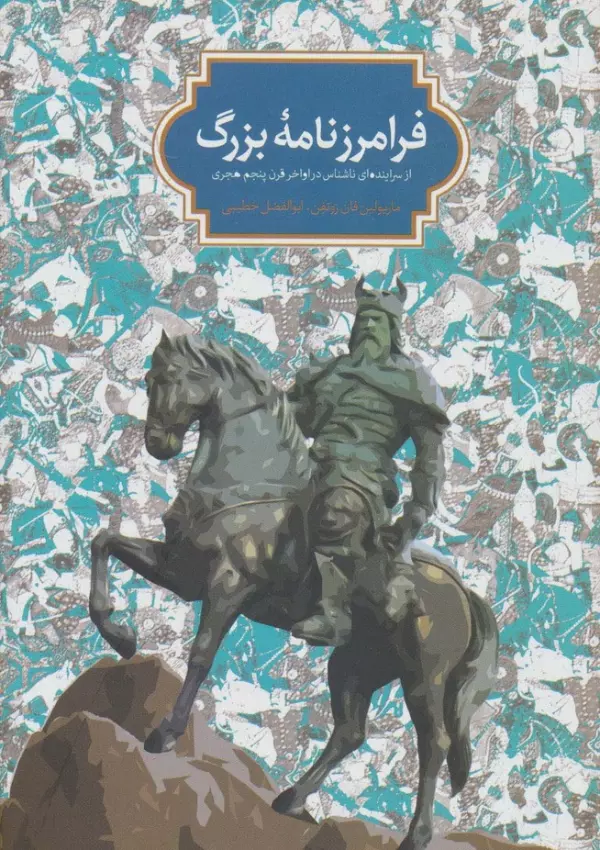
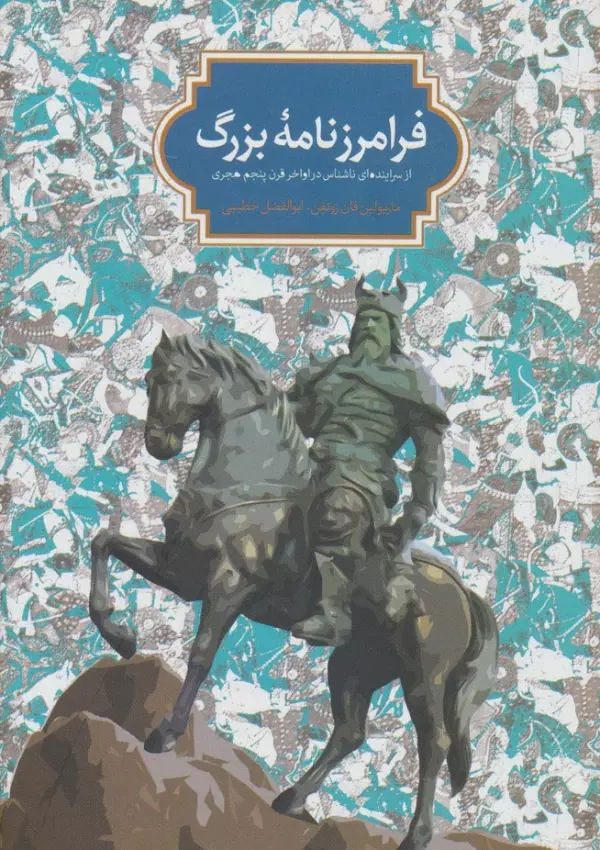
Farāmarz nāmahʼi buzurg: az surāyandahʹī nāshinās dar avākhir-i qarn-i panjum-i hijrī Persiska (Farsi) 2015
فرامرزنامه بزرگ: از سراینده ای ناشناس در اواخر قرن پنجم هجری
23,80 $

Dela
Wishlist
Originaltitel:
فرامرز نامه بزرگ (از سراینده ای ناشناس در اواخر قرن پنجم هجری)
ISBN:
9789643727772
Översättare:
Abū al-Fa ̤zl Khaṭībī
Förlag:
Sukhan
Åldersgrupp:
Vuxen
Sidor:
480
Vikt:
900 g
Produktmått:
18 x 25 x 3
,
96 cm
Bokomslag:
Inbunden
Ämnen:
About The Great Farāmarz-nāmeh
From early on, through the interweaving of narratives concerning the great families of Īrānshahr with the Kayanian tradition, two lineages played a central role in the formation and expansion of Iran’s national epics: the House of Kāren, led by Gōdarz, and the Saka lineage of Rostam. The heroic section of the Shāhnāmeh is filled with accounts of the bravery, battles, and campaigns of members of these two families in defense of Īrānshahr; yet among them, the heroes of Rostam’s lineage—both in the Shāhnāmeh and in independent epic poems beyond it—occupy a more prominent and enduring place.
For this reason, numerous epics were composed recounting the heroic deeds and life stories of members of this family, including the Garshāsp-nāmeh, narrating the exploits of Garshāsp, the illustrious ancestor of the line; the Sām-nāmeh, devoted to the heroism and love adventures of Sām; the Farāmarz-nāmeh (in its major and minor versions), which focuses on the life and conquests of Farāmarz, especially in India; the Bānū-Goshasp-nāmeh, celebrating Bānū Goshasp, daughter of Rostam; and the Āzarbarzīn-nāmeh, concerning Āzarbarzīn, the son of Farāmarz.
The Great Farāmarz-nāmeh, whose author remains unknown and which was composed in the late fifth century AH, is among the most significant of these works. Centered on the figure of Farāmarz, son of Rostam, this epic forms an important link in the continuation of the heroic tradition of Rostam’s lineage, offering a broad portrayal of chivalric ideals, world conquest, and Iran’s encounters with distant lands—an epic tradition that, alongside the Shāhnāmeh, greatly enriches Persian heroic literature.
more
**دربارهٔ «فرامرزنامهٔ بزرگ»**
از دیرباز، با درهمآمیختن روایتهای مربوط به خاندانهای بزرگ ایرانشهر با سنتهای کیانی، دو خاندان نقش محوری در شکلگیری و گسترش حماسههای ملی ایران ایفا کردند: **خاندان کارن** به رهبری گودرز، و **خاندان سکایی رستم**. بخش پهلوانی شاهنامه سرشار از دلاوریها، جنگها و لشکرکشیهای اعضای این دو خاندان در دفاع از ایرانشهر است، اما در میان آنها، پهلوانان خاندان رستم—چه در شاهنامه و چه در منظومههای مستقل بیرون از آن—نقشی پررنگتر و ماندگارتر دارند.
به همین سبب، منظومههای متعددی به شرح پهلوانیها و سرگذشت اعضای این خاندان سروده شده است؛ از جمله **گرشاسپنامه** در بیان دلاوریهای گرشاسپ، نیای نامدار این تبار؛ **سامنامه** دربارهٔ پهلوانیها و عشقورزیهای سام؛ **فرامرزنامه** (در دو روایت بزرگ و کوچک) که به زندگی و کشورگشاییهای فرامرز، بهویژه در هند، میپردازد؛ **بانوگشسپنامه** در وصف بانوگشسپ، دختر رستم؛ و **آذربرزیننامه** دربارهٔ آذربرزین، پسر فرامرز.
**فرامرزنامهٔ بزرگ** که سرایندهٔ آن ناشناس است و در اواخر قرن پنجم هجری سروده شده، از مهمترین این منظومهها بهشمار میآید. این اثر با تمرکز بر شخصیت فرامرز، فرزند رستم، حلقهای مهم در تداوم سنت حماسی خاندان رستم است و تصویری گسترده از آرمانهای پهلوانی، جهانگشایی، و تقابل ایران با سرزمینهای دوردست ارایه میدهد؛ سنتی که در کنار شاهنامه، به غنای ادبیات حماسی فارسی افزوده است.
more