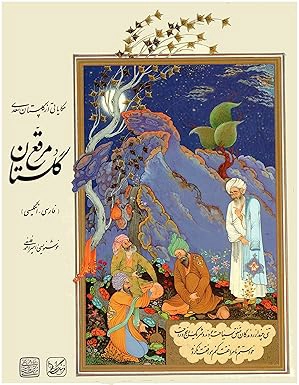


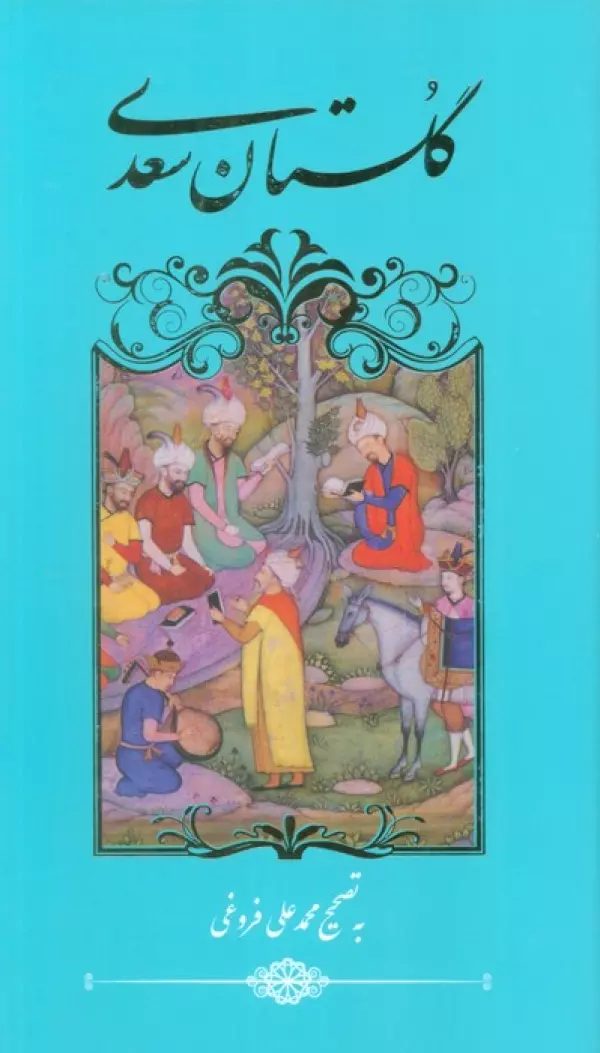
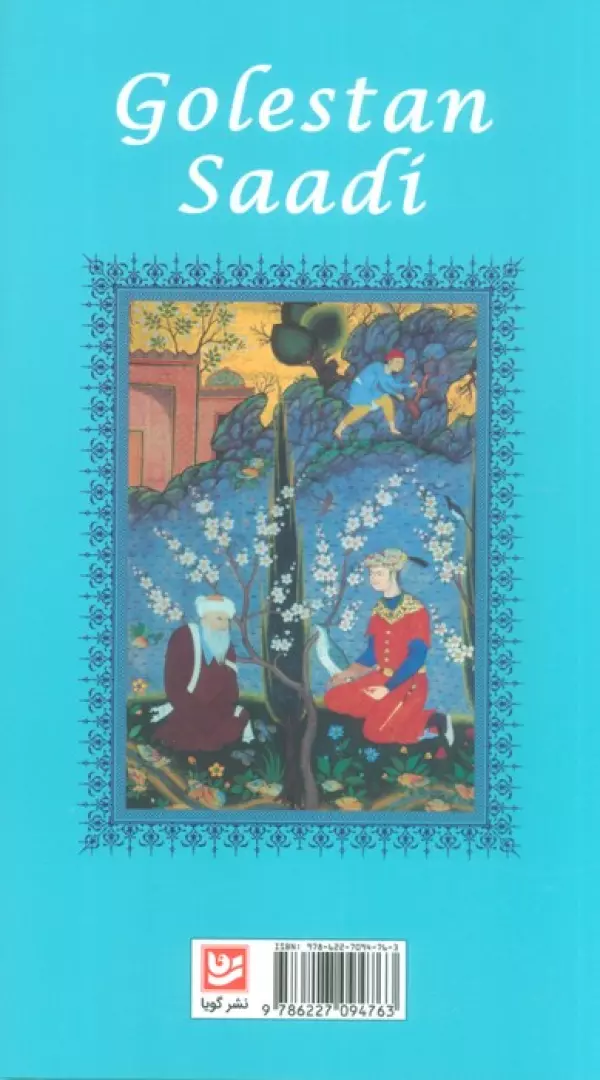
گلستان سعدی فارسی 1402
Gulistān-i Sa'dī
14٫23 $

اشتراکگذاری
Wishlist
عنوان اصلی:
گلستان سعدی
شابک:
9786227094763
ویراستار:
Moḥammad-‘Alī Forūghī
گروه سنی:
بزرگسال
صفحات:
202
وزن:
272 g
ابعاد:
11 x 20 x 3 cm
جلد کتاب:
جلد سخت
The Golestān of Saʿdī, the timeless masterpiece of Saʿdī of Shiraz, is one of the most important and influential works of Persian prose. It was written in 656 AH (1258 CE), less than a year after the Būstān, and composed over roughly five to six months—a feat that some scholars, including Homayoun Katouzian, regard as astonishing and rare.
Golestān emerged within the tradition of rhymed and rhythmic prose that flourished from the 5th to the 7th centuries AH. Yet Saʿdī elevated this style by simplifying the language, achieving fluency, and avoiding excessive ornamentation, thereby creating a lasting model of elegant prose. The book is dedicated to Saʿd ibn Abū Bakr Zangī, the heir apparent of Fars, and in the preface Saʿdī expresses the hope that his work will not weary its readers.
From a historical and textual perspective, Golestān survives in early and significant manuscripts, including copies from the 7th and 8th centuries AH preserved in libraries such as Āstān-e Qods-e Razavi, the Bodmer Foundation in Geneva, the National Library of Paris, and institutions in India. Some of these manuscripts have served as the basis for authoritative modern critical editions (notably the edition by Gholām-Hossein Yūsofī). It is also likely that Saʿdī revised and refined the text years after its initial composition.
Overall, with its melodic prose, ethical anecdotes, and penetrating insight into individual and social life, Golestān holds an unrivaled place in Persian literature and is widely regarded as a benchmark for eloquent Persian prose.
more
گلستان سعدی اثر جاودانهٔ سعدی شیرازی یکی از مهمترین و تأثیرگذارترین کتابهای نثر فارسی است که در سال 656 هجری قمری (1258 میلادی) نوشته شد. این اثر کمتر از یک سال پس از بوستان و در مدت حدود پنج تا شش ماه به نگارش درآمد؛ امری که از نگاه برخی پژوهشگران، از جمله همایون کاتوزیان، شگفتانگیز و کمنظیر است.
گلستان در سنت نثر موزون و مسجع قرون پنجم تا هفتم هجری شکل گرفت، اما سعدی با سادهسازی، روانی زبان و پرهیز از تکلفهای افراطی، این شیوه را به اوج رساند و الگویی ماندگار پدید آورد. کتاب به سعد بن ابوبکر زنگی، ولیعهد فارس، تقدیم شده و سعدی در دیباچه امید دارد که اثرش ملالآور نباشد.
از نظر تاریخی و متنی، گلستان دارای نسخههای خطی کهن و مهمی است؛ از جمله نسخههایی متعلق به قرون هفتم و هشتم هجری که در کتابخانههایی چون آستان قدس رضوی، بنیاد بودمر ژنو، کتابخانه ملی پاریس و مراکز هند نگهداری میشوند. برخی از این نسخهها مبنای تصحیحات معتبر معاصر (مانند تصحیح غلامحسین یوسفی) قرار گرفتهاند. احتمال میرود سعدی سالها پس از تألیف، متن گلستان را بازبینی و اصلاح کرده باشد.
در مجموع، گلستان با نثر آهنگین، حکایات اخلاقی و نگاه ژرف به زندگی فردی و اجتماعی، جایگاهی بیبدیل در ادبیات فارسی دارد و معیار سنجش نثر فصیح بهشمار میآید.
more