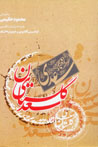



Lost Diary of Kastur, My Ba English 2022
Currently not available

Share
Wishlist
Share
Wishlist
ISBN:
9789354898945
Publisher:
HarperCollins India
Pages:
312
Weight:
500 g
Dimensions:
20 x 25 x 5 cm
Book Cover:
Hard Cover
Thema:
- Published diaries, letters and journals
- Biography: historical, political and military
- Feminism and feminist theory
- History
- Asian history
A couple of years ago, while searching through cupboards and trunks at Kasturba Ashram, Indore, the staff of Gandhi Research Foundation of Jalgaon found a deteriorating and damaged diary. It turned out to be a 135-page diary written by Kasturba Gandhi, from January to September 1933. Like Kasturba, her diary was forgotten and neglected. This book is a reproduction of the diary, accompanied by a transcription of what she has written in Gujarati, and translated into English by her great-grandson, Tushar Gandhi. All her life, Kasturba was considered uneducated and unlettered. Initially when Tushar Gandhi spoke about the diary, family members refused to believe that there could be such a thing, 'She was illiterate. She could not write.' As Tushar read Kasturba's diary, this assumption was dispelled. It provided a glimpse into who she was - an individual, a companion and spouse, and a satyagrahi in her own right, unlettered but astute. In The Lost Diary of Kastur, My Ba, the reader for the first time gets to hear from Kasturba, in her own words. Through day-to-day activities, it provides a peek into what it took to be married to a 'Mahatma'. Here was a woman who was witnessing history being made, observing and understanding the process and participating in it, too. It also tells of her two imprisonments during that year, not because she was Bapu's spouse but because she was offering satyagraha herself. One-hundred-and-fifty-three years after her birth, this book finally presents Kastur as her own person, a woman of substance.
more
more