

Baghalam Kun Laʿnatī, Baghalam Kun: Durnā-yi Sībirī, bardāsht-i duvvum Persian 2025
بغلم کن لعنتی، بغلم کن: درنای سیبری، برداشت دوم
18.18 $

Share
Wishlist
Original Title:
بغلم کن لعنتی، بغلم کن
ISBN:
9781997503040
Publisher:
Asemana Books
Age Group:
Adult
Pages:
66
Weight:
110 g
Dimensions:
15 x 23 x 0.7 cm
Book Cover:
Paperback

Diaspora
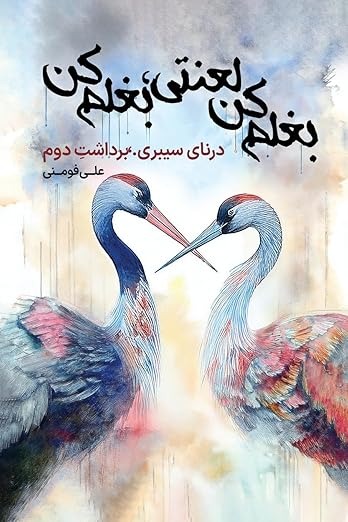
“Hold Me, Damn It, Just Hold Me!” by Ali Foumani takes flight on the wings of “The Siberian Crane” by the same author. This play is an unavoidable metamorphosis from monologue to dialogue, a point where solitary voices move toward one another and transform into conversation. The characters react to enforced silence and systematic erasure by invoking the silenced. They engage with the absent, fight against forgetting, and revive erased memories within the space. “Hold Me, Damn It, Just Hold Me!” is a dialogue with dialogue itself. It’s a remembering of remembering.
The play “Hug Me, Damn It, Hug Me” by Ali Fomeni, published by Asemana, explores loss, forgetting, and the possibility of rebuilding dialogue. Continuing the theatrical world of the author’s previous work, “Siberian Crane,” this play portrays a transformation from monologue to dialogue, where separated voices move toward one another and regain the possibility of being heard.
In this work, the characters resist imposed silence and systematic erasure by summoning the voices of those who are absent. They engage in conversations with lost memories and with those who are no longer present, attempting to revive forgotten experiences and vanished moments. Ultimately, “Hug Me, Damn It, Hug Me” becomes a dialogue about the very nature of dialogue itself: an effort to return to the possibility of listening, remembering, and reconnecting.
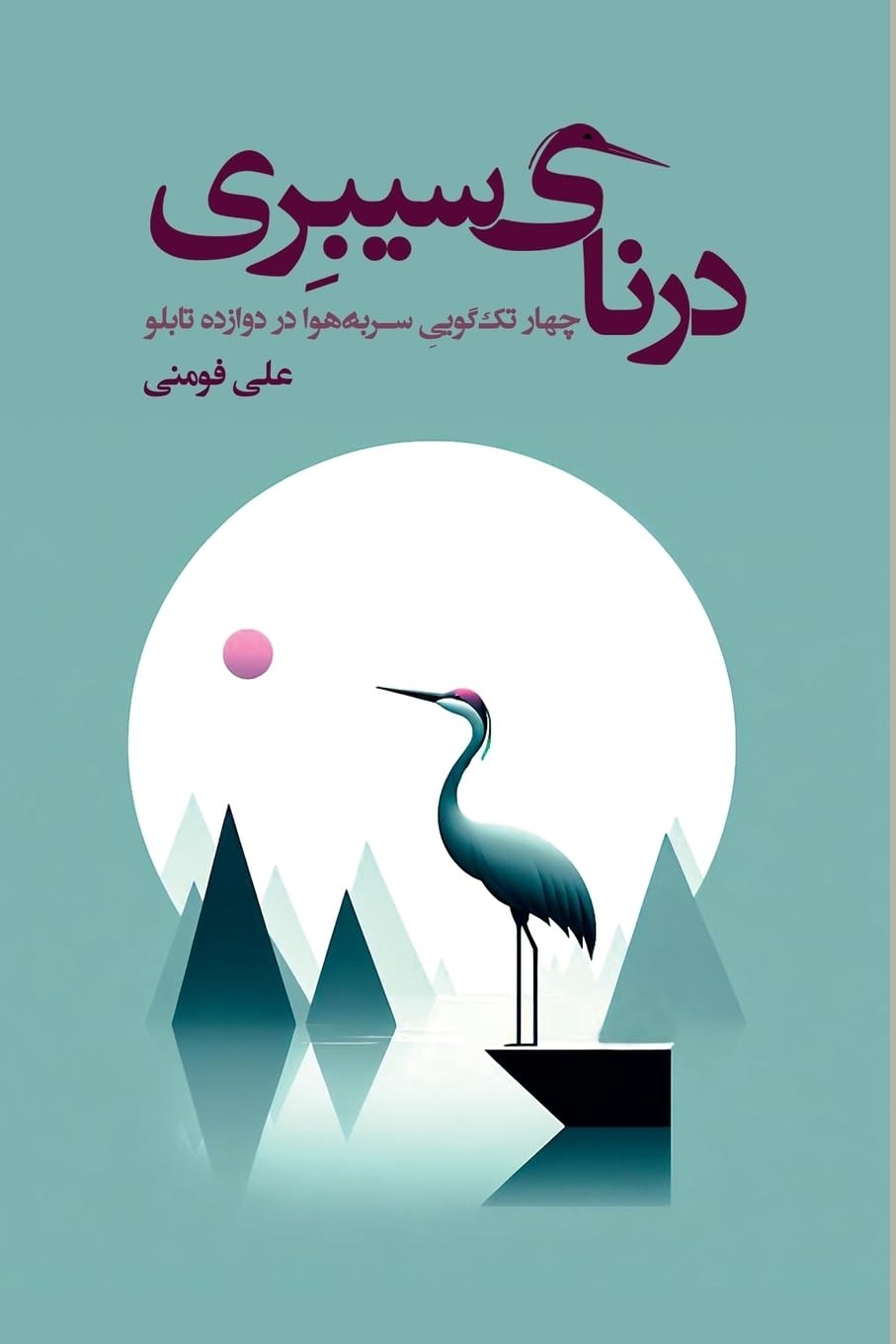
The title and atmosphere of the play are connected to the symbol of the Siberian crane, a bird whose story of survival has become a metaphor for loneliness, waiting, and the search for companionship. Omid (“Hope”), the last surviving western Siberian crane, traveled to Iran alone for years after the death of its mate, Arezou (“Wish”). An attempt to find a new companion emerged with the arrival of a captive-bred crane named Roya (“Dream”), but this relationship also remained incomplete, becoming a symbolic image of solitude and separation.
Ali Fomeni, a poet, writer, and theater director, began his literary activities in the 1990s and 2000s. His poetry and fiction have appeared in literary publications, and his first poetry collection was published in 2013 by Nogam Publishing in London. In addition to writing and directing plays, he has staged works by authors such as Anton Chekhov, Harold Pinter, Tennessee Williams, and Samuel Beckett, and has spent more than two decades working in the fields of literature, social sciences, and performing arts education.
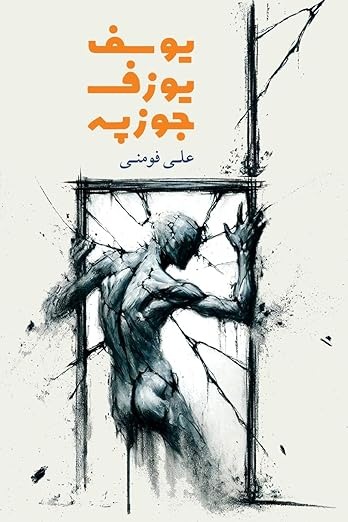
Asemana has previously published two other plays by Fomeni: “Siberian Crane” and “Yusuf, Josef, Giuseppe.” “Hug Me, Damn It, Hug Me” is a work about memory, loss, loneliness, and the human search for rebuilding connections that have been broken by silence and forgetting.
more
«بغلم کن لعنتی، بغلم کن»، نوشتهی علی فومنی، بر بال «درنای سیبری» – اثر دیگری از همین نویسنده – اوج میگیرد این نمایشنامه یک دگردیسی گریزناپذیر از مونولوگ به دیالوگ است؛ آنجا که صداهای منفرد بهسوی هم میروند و گفتوگو میشوند. شخصیتها با احضار صداهای غایب به سکوت تحمیلی و حذف سیستماتیک واکنش نشان میدهند؛ با غایبان میآمیزند، با فراموشی میستیزند و یادهای محذوف را زنده میدارند. «بغلم کن لعنتی، بغلم کن» گفتوگوییست با خود گفتوگو، یادآوری به یاد آوردن است
نمایشنامه «بغلم کن لعنتی، بغلم کن» اثر علی فومنی، اثری درباره مواجهه با فقدان، فراموشی و امکان دوباره شکلگیری گفتوگو است که توسط نشر آسمانا منتشر شده است. این نمایشنامه در ادامه جهان نمایشی اثر پیشین نویسنده، «درنای سیبری»، حرکت میکند و دگردیسی از مونولوگ به دیالوگ را به تصویر میکشد؛ جایی که صداهای جداافتاده به سوی یکدیگر میروند و امکان شنیده شدن را پیدا میکنند.
در این اثر، شخصیتها با احضار صداهای غایب در برابر سکوت تحمیلی و حذف سیستماتیک مقاومت میکنند. آنها با یادهای از دسترفته و حضور کسانی که دیگر نیستند، گفتوگو میکنند و تلاش دارند خاطره و تجربههای محوشده را دوباره زنده کنند. «بغلم کن لعنتی، بغلم کن» در نهایت گفتوگویی درباره خود گفتوگو و تلاشی برای بازگشت به امکان شنیدن و به یاد آوردن است.
عنوان و فضای نمایشنامه با نماد درنای سیبری پیوند دارد؛ پرندهای که داستان بقای آخرین بازمانده جمعیت غربی آن، «امید»، به نمادی از تنهایی، انتظار و جستوجوی همراهی تبدیل شده است. امید، آخرین درنای سیبری غربی، سالها پس از مرگ جفت خود «آرزو» به تنهایی به ایران سفر کرد. تلاش برای یافتن همراهی تازه با ورود درنایی پرورشی به نام «رویا» شکل گرفت، اما سرنوشت این همراهی نیز ناتمام ماند و به تصویری نمادین از تنهایی و گسست بدل شد.
علی فومنی، شاعر، نویسنده و کارگردان تیاتر، فعالیت ادبی خود را از دهههای هفتاد و هشتاد آغاز کرده است. آثار شعری و داستانی او در نشریات ادبی منتشر شده و نخستین مجموعه شعرش در سال 1392 توسط نشر نوگام در لندن به چاپ رسیده است. او علاوه بر نویسندگی و کارگردانی نمایش، آثاری از نویسندگانی چون آنتون چخوف، هارولد پینتر، تنسی ویلیامز و سامویل بکت را نیز روی صحنه برده و بیش از دو دهه در حوزه آموزش ادبیات، علوم اجتماعی و هنرهای نمایشی فعالیت کرده است.
نشر آسمانا پیش از این نمایشنامههای «درنای سیبری» و «یوسف، یوزف، جوزپه» را از این نویسنده منتشر کرده است. «بغلم کن لعنتی، بغلم کن» اثری است درباره خاطره، فقدان، تنهایی و جستوجوی انسانی برای بازسازی پیوندهایی که در اثر خاموشی و فراموشی از میان رفتهاند.
more