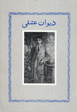


Ghazalīyāt-i Sa'dī Persian 2023
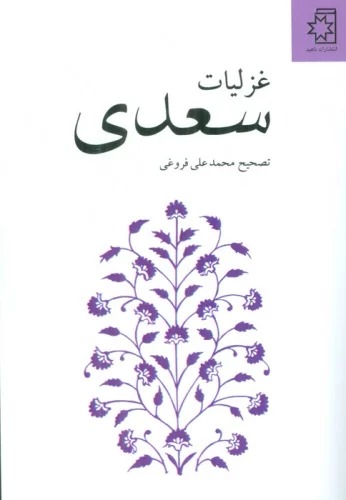
غزلیات سعدی
21.29 $

Share
Wishlist
Original Title:
غزلیات سعدی
ISBN:
9786225732193
Editor:
Moḥammad-‘Alī Forūghī
Publisher:
Nahid
Age Group:
Adult
Pages:
479
Weight:
560 g
Dimensions:
14 x 21 x 5 cm
Book Cover:
Paperback
“Ghazaliyat of Saadi”, edited by Mohammad Ali Foroughi, is a collection of lyric poems (ghazals) by Saadi Shirazi, one of the greatest poets and writers of the Persian language. With a style that is fluent, concise, and artistically refined, Saadi holds a unique position in the history of Persian literature, and his ghazals are considered among the finest examples of Persian lyrical and love poetry.
Saadi, whose full name was Abu-Muhammad Musharrif al-Din Muslih ibn Abdullah ibn Musharrif, was born in Shiraz in the early seventh century AH. His youth coincided with a period of political turmoil in Iran and the Mongol invasions, which led him to leave Shiraz and travel to Baghdad to continue his education. His experiences of learning, travel, and interaction with diverse groups of people later found extensive reflection in his literary works.
Saadi’s ghazals are primarily associated with themes of love, beauty, separation and reunion, the joy of life, and delicate emotional and human experiences. The apparent simplicity of his language, combined with his precise choice of words, musical quality, and depth of meaning, has made his poetry a distinguished example of “sahl-e ممتنع” (seemingly simple yet impossible to imitate) in Persian literature. Saadi’s language has remained so natural and enduring that, centuries later, it continues to feel familiar and accessible to Persian speakers, with many of his verses and expressions becoming part of everyday cultural language.
“Ghazaliyat of Saadi”, edited by Mohammad Ali Foroughi, is a valuable work for admirers of classical Persian poetry and for those interested in understanding Saadi’s language, thought, and poetic artistry. It presents an important part of the literary heritage of one of Iran’s most influential voices.
more
«غزلیات سعدی» به تصحیح محمدعلی فروغی، مجموعهای از غزلهای سعدی شیرازی، از بزرگترین شاعران و نویسندگان زبان فارسی است. سعدی با زبانی روان، موجز و در عین حال هنرمندانه، جایگاهی کمنظیر در تاریخ ادبیات فارسی دارد و غزلیات او از برجستهترین نمونههای شعر عاشقانه و غنایی فارسی به شمار میروند.
سعدی، با نام ابومحمد مشرفالدین مصلح بن عبدالله بن مشرف، در اوایل قرن هفتم هجری در شیراز زاده شد. دوران جوانی او با آشفتگیهای سیاسی ایران و حمله مغول همزمان بود و همین شرایط سبب شد شیراز را ترک کند و برای ادامه تحصیل به بغداد برود. تجربههای حاصل از تحصیل، سفر و معاشرت با گروههای گوناگون مردم، بعدها بازتاب گستردهای در آثار او یافت.
غزلهای سعدی بیش از همه با عشق، زیبایی، فراق و وصال، شور زندگی و ظرافتهای عاطفی و انسانی پیوند دارند. سادگی ظاهری در کنار دقت در انتخاب واژگان، موسیقی دلنشین و عمق معنا، شعر او را به نمونهای شاخص از «سهل ممتنع» در ادبیات فارسی تبدیل کرده است. زبان سعدی چنان طبیعی و ماندگار است که پس از قرنها همچنان برای فارسیزبانان آشنا و قابلفهم باقی مانده و بسیاری از ابیات و تعبیرهای او وارد زبان و فرهنگ عمومی شدهاند.
«غزلیات سعدی» به تصحیح محمدعلی فروغی اثری ارزشمند برای دوستداران شعر کلاسیک فارسی و علاقهمندان به شناخت زبان، اندیشه و هنر شاعری سعدی است و بخشی مهم از میراث ادبی یکی از تأثیرگذارترین سخنوران ایران را در اختیار خواننده قرار میدهد.
more