

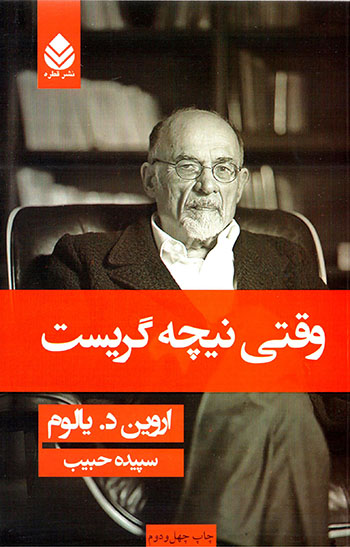
Vaqtī Nīchah garīst: rumānī darbārah-yi vasvās Persian 2020
وقتی نیچه گریست: رمانی درباره ی وسواس
23.63 $

Share
Wishlist
Original Title:
When Nietzsche wept
ISBN:
9786001192029
Translator:
Sipīdah Ḥabīb
Publisher:
Qatrih
Age Group:
Adult
Pages:
468
Weight:
560 g
Dimensions:
14 x 21 x 2.5 cm
Book Cover:
Hard Cover
“When Nietzsche Wept” is a philosophical novel by Irvin D. Yalom, an American psychiatrist, psychotherapist, and writer. First published in 1992, the novel combines historical figures, philosophy, and psychotherapy to create a fictional account of a possible encounter between Friedrich Nietzsche, one of the most influential philosophers of the nineteenth century, and Josef Breuer, a pioneer of modern psychotherapy and mentor of Sigmund Freud.
Set in Vienna in 1882, the novel begins when Lou Andreas-Salomé, a writer and intellectual who had a close relationship with Nietzsche, secretly approaches Dr. Breuer and asks him to help Nietzsche, who is suffering from severe emotional distress, loneliness, and despair. Breuer agrees to treat Nietzsche, but their relationship gradually develops into a profound exchange in which doctor and patient begin to confront their own fears, desires, regrets, and existential struggles.
Through their imagined conversations, Yalom explores central themes of Nietzsche’s philosophy, including the meaning of suffering, freedom, personal responsibility, self-creation, and the courage to face life as it is. The novel also examines the early development of psychotherapy and the complex relationship between psychological healing and philosophical inquiry.
Rather than presenting Nietzsche only as a historical philosopher, Yalom portrays him as a vulnerable human being struggling with love, isolation, illness, and the search for meaning. The book raises questions about whether a person can overcome suffering without escaping from it and whether true transformation requires a radical understanding of oneself.
Irvin D. Yalom (born 1931) is a distinguished American psychiatrist, professor emeritus of psychiatry at Stanford University, and one of the leading figures in existential psychotherapy. His works often combine psychological insight with philosophical reflection, exploring themes such as death, freedom, isolation, and the search for meaning.
“When Nietzsche Wept” is a work of philosophical fiction that introduces readers to both Nietzsche’s ideas and the foundations of psychotherapy through an imaginative dialogue between two brilliant minds.
more
«وقتی نیچه گریست» رمانی فلسفی نوشتهی اروین د. یالوم، روانپزشک، رواندرمانگر و نویسندهی آمریکایی است. این کتاب نخستین بار در سال 1992 منتشر شد و با ترکیب شخصیتهای تاریخی، فلسفه و رواندرمانی، روایتی خیالی از دیداری احتمالی میان فریدریش نیچه، یکی از تأثیرگذارترین فیلسوفان قرن نوزدهم، و یوزف برویر، از پیشگامان رواندرمانی مدرن و استاد زیگموند فروید، ارایه میدهد.
داستان در وین سال 1882 رخ میدهد و با مراجعهی پنهانی لو آندریاس سالومه، نویسنده و روشنفکری که رابطهای نزدیک با نیچه داشت، به دکتر برویر آغاز میشود. او از برویر میخواهد به نیچه که از آشفتگی شدید روحی، تنهایی و ناامیدی رنج میبرد، کمک کند. برویر درمان نیچه را میپذیرد، اما رابطهی میان آن دو بهتدریج به گفتوگویی عمیق تبدیل میشود؛ گفتوگویی که در آن پزشک و بیمار هر دو با ترسها، خواستهها، پشیمانیها و بحرانهای وجودی خود روبهرو میشوند.
یالوم در خلال این گفتوگوهای خیالی، مفاهیم اساسی فلسفهی نیچه مانند معنای رنج، آزادی، مسیولیت فردی، خودآفرینی و شجاعت رویارویی با زندگی را بررسی میکند. این رمان همچنین به شکلگیری نخستین اندیشههای رواندرمانی و پیوند میان درمان روانی و پرسشهای فلسفی میپردازد.
یالوم در این اثر نیچه را تنها بهعنوان فیلسوفی تاریخی نشان نمیدهد، بلکه او را انسانی آسیبپذیر به تصویر میکشد که با عشق، بیماری، انزوا و جستوجوی معنا دستوپنجه نرم میکند. کتاب این پرسش را مطرح میکند که آیا انسان میتواند بدون گریز از رنج، آن را پشت سر بگذارد و آیا تحول واقعی بدون شناخت عمیق خویشتن امکانپذیر است.
اروین د. یالوم (متولد 1931) روانپزشک برجستهی آمریکایی، استاد بازنشستهی روانپزشکی دانشگاه استنفورد و از چهرههای مهم رواندرمانی اگزیستانسیال است. آثار او با ترکیب روانشناسی و فلسفه، موضوعاتی مانند مرگ، آزادی، تنهایی و جستوجوی معنا را بررسی میکنند.
more