

Tahavvuʻ Persian 2025
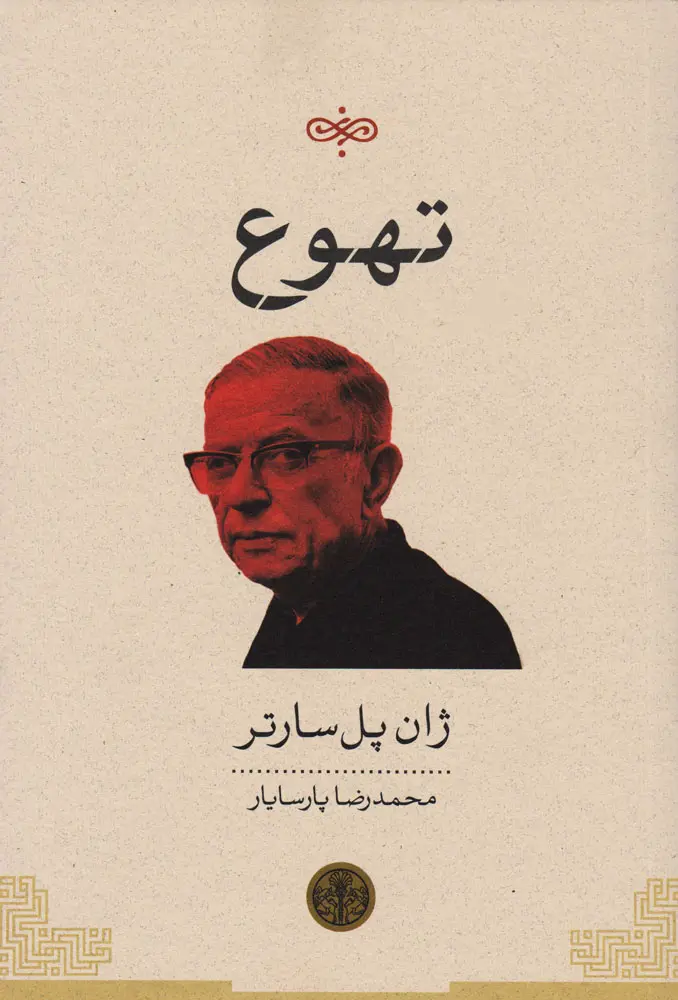
تهوع
18.76 $

Share
Wishlist
Original Title:
La Nausée
ISBN:
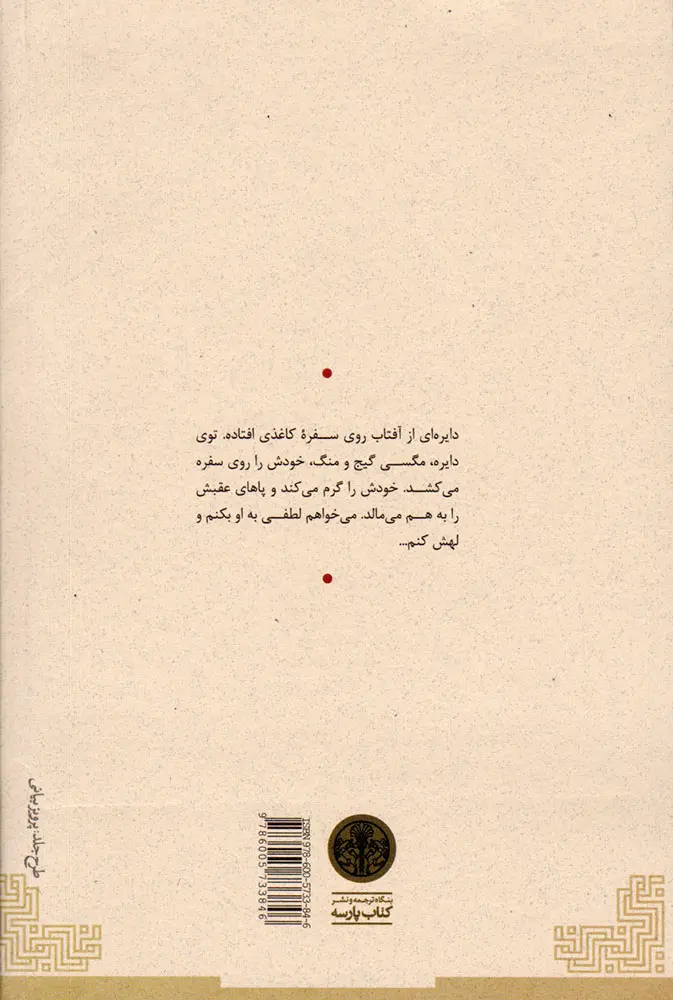
9786005733846
Translator:
Muhammad Riza Parsayar
Publisher:
Bungah-i tarjumah va nashr-i kitab pārsah
Age Group:
Adult
Pages:
296
Weight:
310 g
Dimensions:
14 x 21 x 2 cm
Book Cover:
Paperback
“Nausea” (La Nausée) is the first novel by Jean-Paul Sartre, the renowned French philosopher and writer. Published in 1938, it became one of the most important literary and philosophical works of the twentieth century. Considered one of the earliest examples of existentialist literature, the novel presents many of Sartre’s central ideas, including freedom, existential anxiety, and the search for meaning, through a deeply human and psychological narrative.
The story follows Antoine Roquentin, a thirty-five-year-old historian and a solitary man who, after years of living in isolation, experiences a profound and alienating encounter with existence. He gradually begins to feel that objects, situations, and even human presence in the world have lost their familiar meanings. This confrontation with the unfiltered reality of existence creates a disturbing sensation within him, which he calls “nausea.”
Roquentin records his thoughts and experiences in the form of a personal diary; writings that become an inner exploration of identity, freedom, loneliness, and the meaning of life. With limited social relationships and a tendency to observe others and reflect on human behavior, he struggles to find his place in a world that has become unfamiliar and seemingly without meaning.
In “Nausea,” Sartre uses fiction as a means to express his existentialist philosophy. The novel suggests that, in a world without predetermined meanings, human beings must confront their own freedom and assume responsibility for creating meaning in their lives.
Jean-Paul Sartre (1905–1980) was a French philosopher, novelist, playwright, and literary critic, and one of the most influential figures in existentialist philosophy. He was awarded the Nobel Prize in Literature in 1964, but refused to accept the prize. “Nausea” remains one of his most significant works and one of the most influential novels exploring the relationship between literature and modern philosophy.
more
«تهوع» (La Nausée) نخستین رمان ژان پل سارتر، فیلسوف و نویسندهی برجستهی فرانسوی، است که در سال 1938 منتشر شد و به یکی از مهمترین آثار ادبی فلسفی قرن بیستم تبدیل شد. این رمان از نخستین نمونههای ادبیات اگزیستانسیالیستی به شمار میرود و بسیاری از مفاهیم اصلی اندیشهی سارتر، مانند آزادی، اضطراب وجودی و جستوجوی معنا را در قالب داستانی انسانی و روانشناختی بیان میکند.
داستان دربارهی آنتوان روکانتن، مردی سیوپنجساله، مورخ و فردی منزوی است که پس از سالها زندگی تنها، با تجربهای عمیق و بیگانهکننده از هستی روبهرو میشود. او به تدریج احساس میکند اشیا، موقعیتها و حتی حضور انسانها در جهان، معنای آشنای خود را از دست دادهاند و همین مواجهه با واقعیت بیپیرایهی وجود، احساسی آزاردهنده را در او پدید میآورد که آن را «تهوع» مینامد.
روکانتن افکار و تجربههای خود را در قالب دفتر خاطرات ثبت میکند؛ نوشتههایی که به کاوشی درونی دربارهی هویت، آزادی، تنهایی و معنای زندگی تبدیل میشوند. او که روابط اجتماعی محدودی دارد و بیشتر به مشاهدهی دیگران و تأمل در رفتار انسانها میپردازد، در تلاش است جایگاه خود را در جهانی که برایش بیمعنا و غریب شده است، پیدا کند.
سارتر در «تهوع» از روایت داستانی برای بیان اندیشههای اگزیستانسیالیستی خود بهره میگیرد. این رمان نشان میدهد انسان در جهانی بدون معناهای از پیش تعیینشده، ناچار است با آزادی خویش روبهرو شود و مسیولیت ساختن معنای زندگی را بر عهده بگیرد.
ژان پل سارتر (1905–1980) فیلسوف، رماننویس، نمایشنامهنویس و منتقد فرانسوی و یکی از مهمترین چهرههای فلسفهی اگزیستانسیالیسم بود. او در سال 1964 برندهی جایزهی نوبل ادبیات شد، اما از پذیرش این جایزه خودداری کرد. «تهوع» همچنان یکی از مهمترین آثار او و یکی از تأثیرگذارترین رمانها در پیوند میان ادبیات و فلسفهی مدرن به شمار میرود.
more